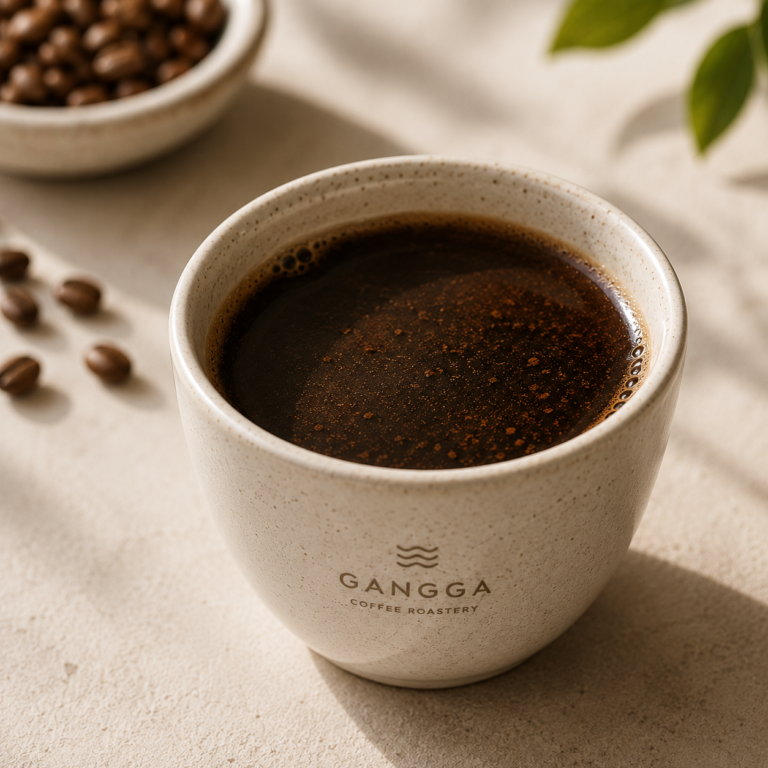
Espresso is a brewing method that produces a concentrated coffee by pushing hot water through a compact bed of finely ground coffee under approximately 9 bars of pressure. Rather than referring to a specific type of coffee bean, espresso describes both the brewing process and the beverage it creates. When prepared correctly, espresso delivers an intense yet balanced cup with sweetness, acidity, bitterness, body, and aroma working together in harmony.
In specialty coffee, espresso is regarded as one of the most technically demanding brewing methods because even small adjustments to grind size, dose, water temperature, or extraction time can significantly influence the final flavor.
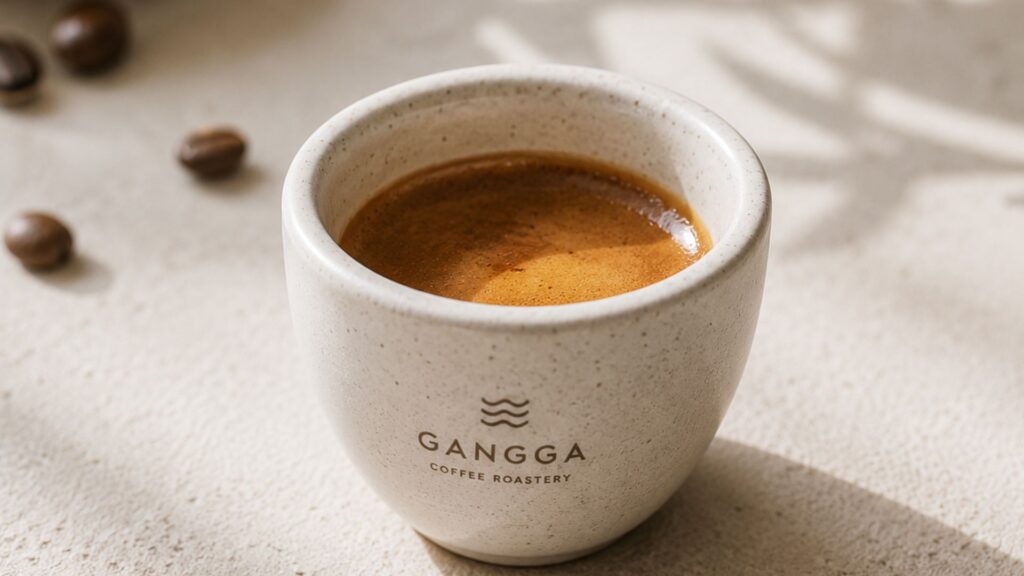
What Is Espresso?
Espresso is brewed using a dedicated espresso machine that combines pressure, temperature, and precise timing to extract soluble compounds from roasted coffee.
A standard espresso shot typically consists of:
- Finely ground coffee
- Water heated to approximately 90–96°C (194–205°F)
- Around 9 bars of brewing pressure
- An extraction time of roughly 25–35 seconds
The result is a small but concentrated beverage with a dense body and a layer of crema on top.
Unlike drip coffee or pour-over methods that rely primarily on gravity, espresso uses pressure to achieve a faster and more concentrated extraction.
How Espresso Is Brewed
Producing high-quality espresso involves carefully balancing multiple brewing variables.
Grinding
Espresso requires a much finer grind than most manual brewing methods. The grind must create enough resistance for water to extract the coffee evenly.
If the grind is too coarse:
- Water flows too quickly.
- Coffee tastes sour or weak.
If the grind is too fine:
- Water flows too slowly.
- Coffee becomes bitter and over-extracted.
Dose
The dose refers to the amount of dry coffee placed into the portafilter.
Modern specialty cafés commonly use:
- 18–20 grams for a double espresso
- 16–18 grams for smaller baskets
The dose affects extraction resistance, strength, and body.
Yield
Yield is the amount of liquid espresso produced.
Many baristas use a brew ratio rather than a fixed volume.
For example:
- Dose: 18 grams
- Yield: 36 grams
- Ratio: 1:2
Changing the brew ratio alters sweetness, clarity, body, and intensity.
Time
Extraction time usually ranges between 25 and 35 seconds, though the ideal duration depends on the coffee’s roast level, origin, and desired flavor profile.
Rather than targeting a specific number, baristas aim for balanced extraction.
Pressure
Modern espresso machines typically brew at around 9 bars of pressure.
Stable pressure promotes even extraction and consistent flavor.
Temperature
Most espresso is brewed between:
- 90°C and 96°C
Higher temperatures extract more soluble compounds, while lower temperatures may preserve acidity but reduce sweetness.
What Is Crema?
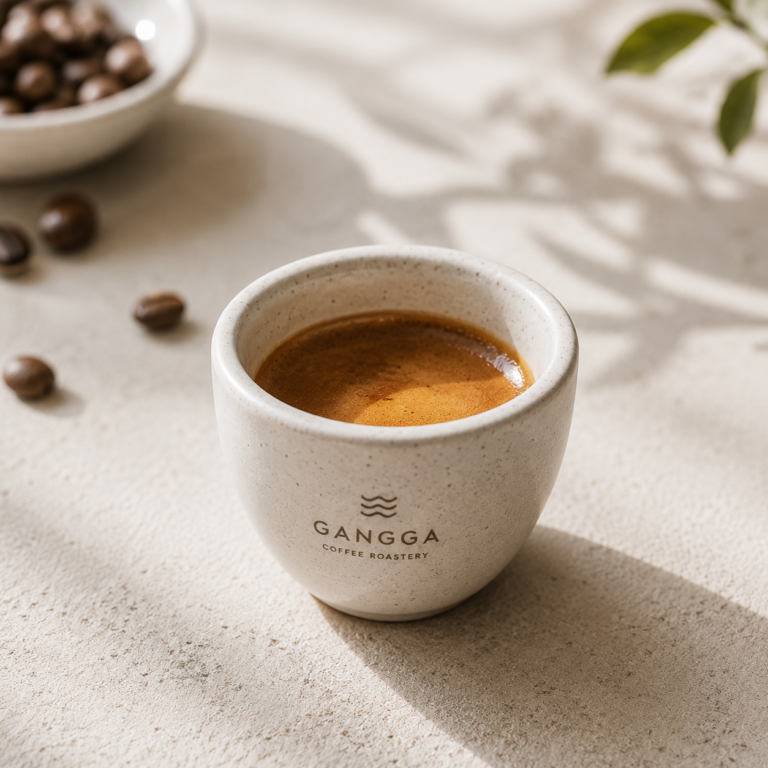
Crema is the golden-brown foam that forms naturally on top of freshly brewed espresso.
It consists of:
- Carbon dioxide released from freshly roasted coffee
- Coffee oils
- Tiny suspended particles
Although crema contributes aroma and visual appeal, it is not a direct indicator of quality. An espresso with abundant crema can still taste unbalanced, while an excellent shot may produce a thinner crema depending on the coffee variety, roast level, and freshness.
Flavor Profile of Espresso
A well-extracted espresso should express multiple sensory characteristics simultaneously.
These may include:
- Sweetness
- Bright acidity
- Pleasant bitterness
- Rich body
- Long aftertaste
- Distinct aroma
Depending on the coffee, tasting notes may include:
- Chocolate
- Caramel
- Citrus
- Stone fruit
- Berries
- Floral notes
- Nuts
- Tropical fruit
- Brown sugar
The flavor reflects both the coffee’s origin and the precision of the brewing process.
Factors That Influence Espresso Quality
Coffee Beans
The quality of espresso begins with high-quality green coffee.
Important factors include:
- Variety
- Growing altitude
- Processing method
- Harvest quality
- Freshness
Specialty-grade coffee generally provides greater sweetness and complexity.
Roast Profile
Espresso can be brewed using both light and dark roasts.
Light roasts often emphasize:
- Acidity
- Fruit
- Floral notes
Medium roasts commonly balance:
- Sweetness
- Chocolate
- Caramel
- Body
Darker roasts typically produce:
- Lower acidity
- More bitterness
- Heavier body
- Roasted flavors
The ideal roast depends on the desired flavor experience rather than a fixed standard.
Water Quality
Since espresso is mostly water, mineral composition has a significant impact on extraction.
Water that is too hard or too soft can reduce flavor clarity and extraction consistency.
Grinder Quality
An espresso grinder should produce a consistent particle size.
Uneven grinding can create channeling, where water follows the path of least resistance, resulting in both under-extracted and over-extracted flavors within the same shot.
Machine Stability
Professional espresso machines maintain consistent:
- Temperature
- Pressure
- Water flow
Consistency is essential for producing repeatable results.
Common Espresso Drinks
Espresso serves as the base for many popular coffee beverages.
Examples include:
- Espresso (single or double)
- Americano
- Cappuccino
- Latte
- Flat White
- Cortado
- Macchiato
- Mocha
Although these drinks share the same espresso foundation, the ratio of espresso, milk, foam, and water creates distinct flavor and texture profiles.
Espresso vs Filter Coffee
| Feature | Espresso | Filter Coffee |
|---|---|---|
| Brewing Method | Pressure | Gravity |
| Brew Time | 25–35 seconds | 2–5 minutes |
| Concentration | High | Moderate |
| Body | Full | Light to medium |
| Serving Size | Small | Larger |
| Flavor | Intense and concentrated | Cleaner and more delicate |
Neither method is inherently better. Each highlights different aspects of the coffee.
Espresso emphasizes body, sweetness, and intensity, while filter brewing often showcases clarity and origin characteristics.
Common Mistakes When Brewing Espresso
Many espresso problems can be traced to inconsistent technique.
Common issues include:
- Using stale coffee
- Incorrect grind size
- Uneven tamping
- Inconsistent dosing
- Poor water quality
- Dirty equipment
- Incorrect brew ratio
- Ignoring extraction yield
Regular calibration and equipment maintenance help improve consistency.
Common Misconceptions About Espresso
Espresso Contains More Caffeine Than Other Coffee
Espresso has a higher caffeine concentration by volume, but a typical serving contains less total caffeine than a large cup of filter coffee because the serving size is much smaller.
Espresso Requires Dark Roast Coffee
Specialty coffee roasters often use medium or even light roast profiles for espresso to highlight origin-specific flavors and sweetness.
More Crema Means Better Espresso
Crema alone does not determine quality. Balance, sweetness, clarity, and overall taste are far more important indicators of a well-prepared espresso.
Why Espresso Matters in Specialty Coffee
Espresso remains one of the most influential brewing methods in the coffee industry.
It challenges coffee professionals to understand extraction science, equipment calibration, and sensory evaluation. Because the brewing process is highly concentrated, both the strengths and flaws of a coffee become immediately apparent.
For producers, roasters, baristas, and consumers, espresso serves as a benchmark for evaluating coffee quality and brewing precision.
Gangga Perspective
At Gangga Roastery, espresso is viewed as a practical test of every stage in the coffee value chain. A balanced espresso begins long before brewing—it starts with careful green coffee selection, thoughtful roast development, and consistent quality control.
When developing coffees for espresso, we focus on achieving sweetness, clarity, and balance rather than simply increasing body or bitterness. Different origins and processing methods require different roast approaches, and there is no single “perfect” espresso profile. Instead, each coffee should express its unique character while remaining approachable and repeatable in daily service.
We also recognize that consistency is just as important as quality. Even exceptional coffee can produce disappointing espresso if grind size, dose, yield, or machine maintenance are neglected. For cafés and hospitality businesses, establishing clear brewing recipes, calibrating grinders throughout the day, and training baristas to evaluate extraction by taste are essential practices.
In our experience, the best espresso is not the strongest or darkest—it is the one that accurately reflects the coffee’s origin while delivering a balanced, enjoyable cup.
Frequently Asked Questions
1. Is espresso made from a special type of coffee bean?
No. Espresso can be brewed from any coffee variety, provided it is roasted and ground appropriately for espresso extraction.
2. How much coffee is used in a double espresso?
Most specialty cafés use between 18 and 20 grams of ground coffee for a double shot, though recipes vary.
3. Why does espresso have crema?
Crema forms when carbon dioxide trapped in roasted coffee is released during high-pressure extraction, creating a layer of fine bubbles mixed with coffee oils.
4. What is the ideal espresso extraction time?
Many recipes target 25–35 seconds, but the ideal time depends on the coffee, roast profile, and desired flavor balance.
5. Can light roast coffee be used for espresso?
Yes. Light roast coffees are commonly used in specialty coffee and can produce expressive, fruit-forward espressos when extracted correctly.
6. Why does my espresso taste sour?
Sourness is often associated with under-extraction, which may result from a grind that is too coarse, insufficient extraction time, or a low brew ratio.
7. Why does espresso taste bitter?
Bitterness may indicate over-extraction caused by an overly fine grind, excessive extraction time, or a high brewing temperature.