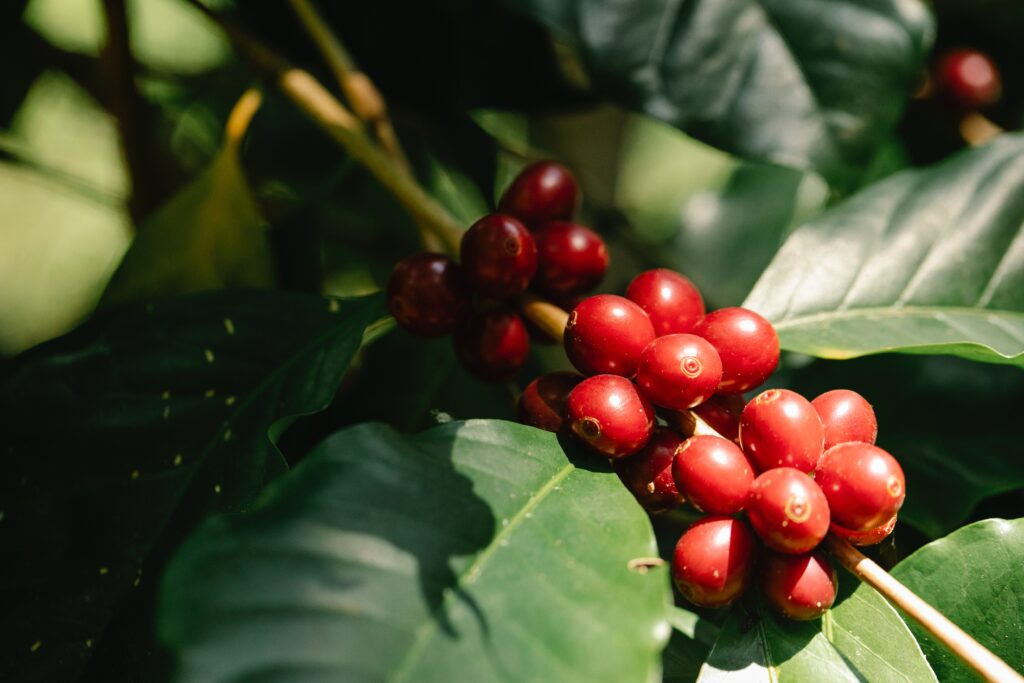
Arabica coffee refers to Coffea arabica, the world’s most widely cultivated coffee species, accounting for around 60–70% of global coffee production. It is prized for its complex flavors, delicate sweetness, balanced acidity, and aromatic qualities, making it the preferred choice for the specialty coffee industry. Arabica grows best at higher elevations with cooler temperatures and requires more careful cultivation than other coffee species. Because of its exceptional cup quality, Arabica has become the benchmark for premium coffee around the world, including in Indonesia, where many renowned coffee-producing regions cultivate distinctive Arabica varieties.
Definition
Arabica is a coffee species scientifically known as Coffea arabica. Native to the highlands of Ethiopia, it has spread across the globe over centuries and today forms the backbone of the international coffee industry.
Unlike other coffee species, Arabica contains relatively low caffeine while producing a more nuanced flavor profile. Depending on origin, processing method, terroir, and roasting approach, Arabica can express notes ranging from citrus, berries, and tropical fruits to chocolate, caramel, florals, nuts, and spices.
Arabica plants are generally more demanding to cultivate than Robusta. They require:
- Elevations between 800–2,200 meters above sea level
- Stable temperatures of approximately 18–22°C
- Rich, well-drained soils
- Careful disease management
- Consistent rainfall
Because of these growing requirements, Arabica often commands higher market prices than other commercial coffee species.
History
Arabica traces its origins to the forests of southwestern Ethiopia, where wild coffee trees naturally evolved. Historical records suggest coffee cultivation later spread into Yemen, where it became an important agricultural commodity and cultural beverage.
During the 17th and 18th centuries, European colonial powers transported Arabica plants to Asia, Africa, and the Americas. The Dutch introduced Arabica to Indonesia, where volcanic soils and mountainous terrain proved ideal for cultivation.
Today, Indonesia produces numerous celebrated Arabica coffees, including:
- Gayo
- Mandheling
- Java
- Toraja
- Kintamani
- Flores
- Ijen
- Papua
These regions have helped establish Indonesia as one of the world’s most respected producers of specialty Arabica coffee.
Characteristics
Arabica possesses several defining characteristics that distinguish it from other coffee species.
Complex Flavor
Arabica is known for layered flavors that may include:
- Floral aromas
- Bright citrus
- Stone fruits
- Berries
- Honey sweetness
- Chocolate
- Caramel
- Nuts
- Herbal nuances
No two origins taste exactly alike because terroir strongly influences flavor.
Balanced Acidity
One of Arabica’s hallmarks is its pleasant acidity. In specialty coffee, acidity refers to brightness rather than sourness and contributes freshness and complexity.
Lower Caffeine
Arabica generally contains approximately 1.2–1.5% caffeine, compared to Robusta’s much higher caffeine content. This contributes to a smoother, less bitter cup.
Higher Sugar Content
Arabica cherries contain more natural sugars, which contribute to sweetness during roasting and help create caramelized flavors.
Delicate Cultivation
Arabica is more vulnerable to:
- Coffee leaf rust
- Climate fluctuations
- Frost
- Heat stress
- Pests
As climate change intensifies, maintaining healthy Arabica production has become increasingly challenging.
Why It Matters
Understanding Arabica is essential for everyone involved in specialty coffee.
For farmers, selecting appropriate Arabica varieties can improve both quality and market value.
For roasters, Arabica offers tremendous flexibility. Different roast profiles can emphasize sweetness, acidity, body, or fruit characteristics while preserving origin identity.
For baristas, Arabica provides opportunities to highlight unique flavors through espresso or filter brewing.
For consumers, recognizing Arabica helps explain why coffees from different countries—or even neighboring farms—can taste remarkably different.
Arabica has become synonymous with quality because it allows the full expression of terroir, processing, and roasting expertise.
Applications
Arabica is used across nearly every segment of the premium coffee industry.
Specialty Coffee
Most specialty-grade coffees consist entirely of Arabica because of its superior sensory qualities.
Espresso
Arabica produces espresso with:
- Greater sweetness
- Rich aroma
- Pleasant acidity
- Complex aftertaste
Many espresso blends feature 100% Arabica or combine Arabica with a small percentage of Robusta for additional crema and body.
Filter Coffee
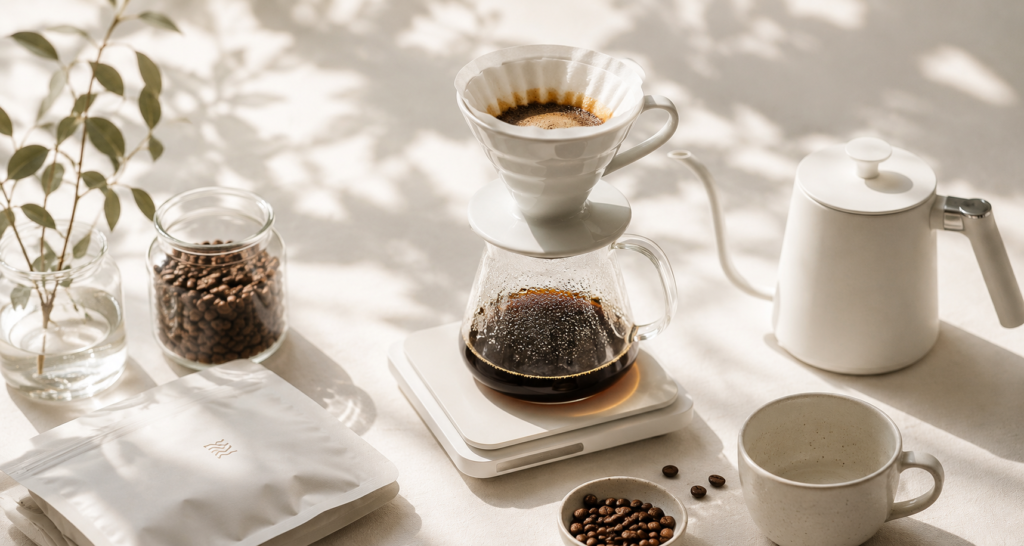
Manual brewing methods such as V60, Kalita Wave, Chemex, and AeroPress particularly showcase Arabica’s nuanced flavor profile.
Competition Coffee
Coffee competitions frequently feature exceptional Arabica lots due to their complexity and distinctiveness.
Single-Origin Coffee
Arabica excels as a single-origin offering because it clearly expresses the unique characteristics of specific farms, regions, and processing methods.
Common Misconceptions
“Arabica is always better than Robusta.”
Not necessarily. High-quality Robusta can produce excellent coffee, especially in modern specialty production. Arabica simply tends to exhibit greater flavor complexity.
“100% Arabica guarantees premium coffee.”
False. The label indicates species, not quality. Poor farming, defective processing, or improper roasting can still result in low-quality coffee.
“Arabica is less strong.”
Many people confuse bitterness with strength. Arabica has lower caffeine but can still deliver an intense, flavorful cup depending on brewing method and roast level.
“Dark roasting eliminates Arabica’s unique flavors.”
Overly dark roasting can mask origin characteristics, but carefully developed darker profiles can still preserve sweetness and balance.
Frequently Asked Questions
Is Arabica better than Robusta?
Arabica generally offers greater complexity and sweetness, while Robusta provides more body, bitterness, and caffeine. The better choice depends on the intended cup profile.
Why is Arabica more expensive?
It requires higher elevations, more labor-intensive cultivation, and is more susceptible to pests and diseases.
Does Arabica contain caffeine?
Yes. Arabica naturally contains caffeine, though significantly less than Robusta.
Can Arabica grow in Indonesia?
Yes. Indonesia produces many world-renowned Arabica coffees from regions such as Gayo, Toraja, Java, Flores, Bali, and Papua.
Is specialty coffee always Arabica?
Most specialty coffee is Arabica, although specialty-grade Robusta is becoming increasingly recognized.
Gangga Insight
At Gangga Roastery, we view Arabica as more than just a coffee species—it is an opportunity to showcase the story behind every bean. Our roasting philosophy focuses on revealing each coffee’s inherent sweetness, clarity, and origin character rather than masking it with overly dark roast flavors.
We carefully develop roast profiles that respect the work of farmers and highlight the unique qualities created by terroir, variety, and processing. Whether the coffee comes from Indonesia or another producing origin, our goal is to let every cup communicate its own identity through balance, transparency, and exceptional flavor.
By understanding Arabica, coffee professionals and enthusiasts alike gain a deeper appreciation for the craftsmanship that connects cultivation, roasting, brewing, and the final cup.